
Experience the rich flavors and tender meat of a slow-cooked balsamic glazed pot roast. This hands-off dinner option is perfect for busy days, delivering a mouthwatering hearty meal with minimal prep. The slow cooker brings out the best in the beef and vegetables, merging their flavors into a comforting dish.
Using a few key ingredients, we achieve a balance of tangy sweetness with savory notes. This dish transforms humble ingredients into a family favorite, filling your kitchen with enticing aromas as it simmers to perfection.
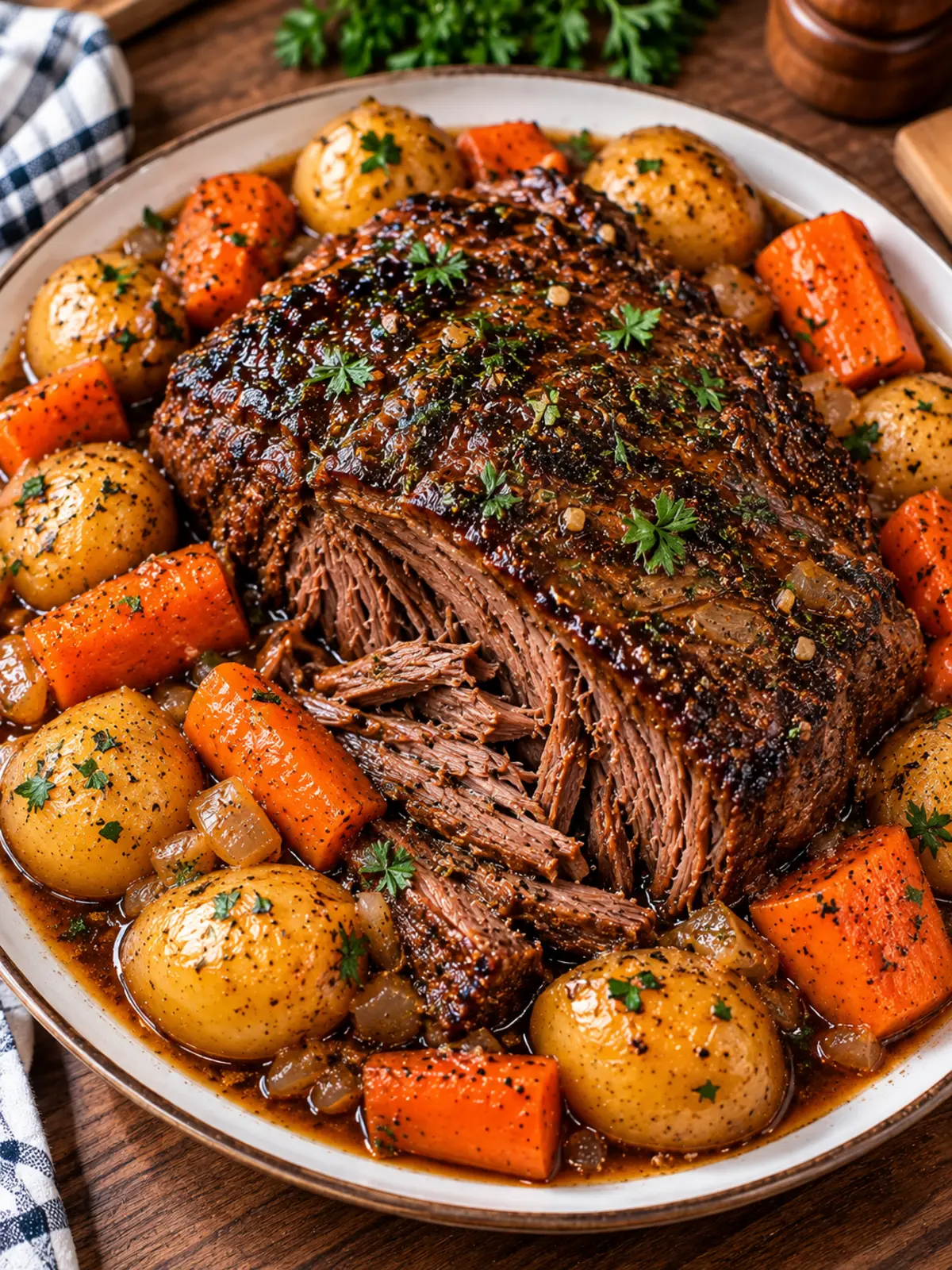
Why You Will Love This Recipe
- Minimal effort: Set it and forget it with the slow cooker, requiring only 20 minutes of prep.
- Aromatic goodness: The melding of balsamic vinegar, garlic, and tender beef creates an irresistible fragrance.
- Rich flavors: The sauce provides a perfect tangy-sweet glaze, enhancing both the meat and vegetables.
- Versatile servings: Generously serves 6 to 8, making it ideal for gatherings or meal prep.
- Comfort food: This dish embodies the essence of cozy, hearty meals, perfect for family dinners.
Key Ingredients for Balsamic Glazed Pot Roast
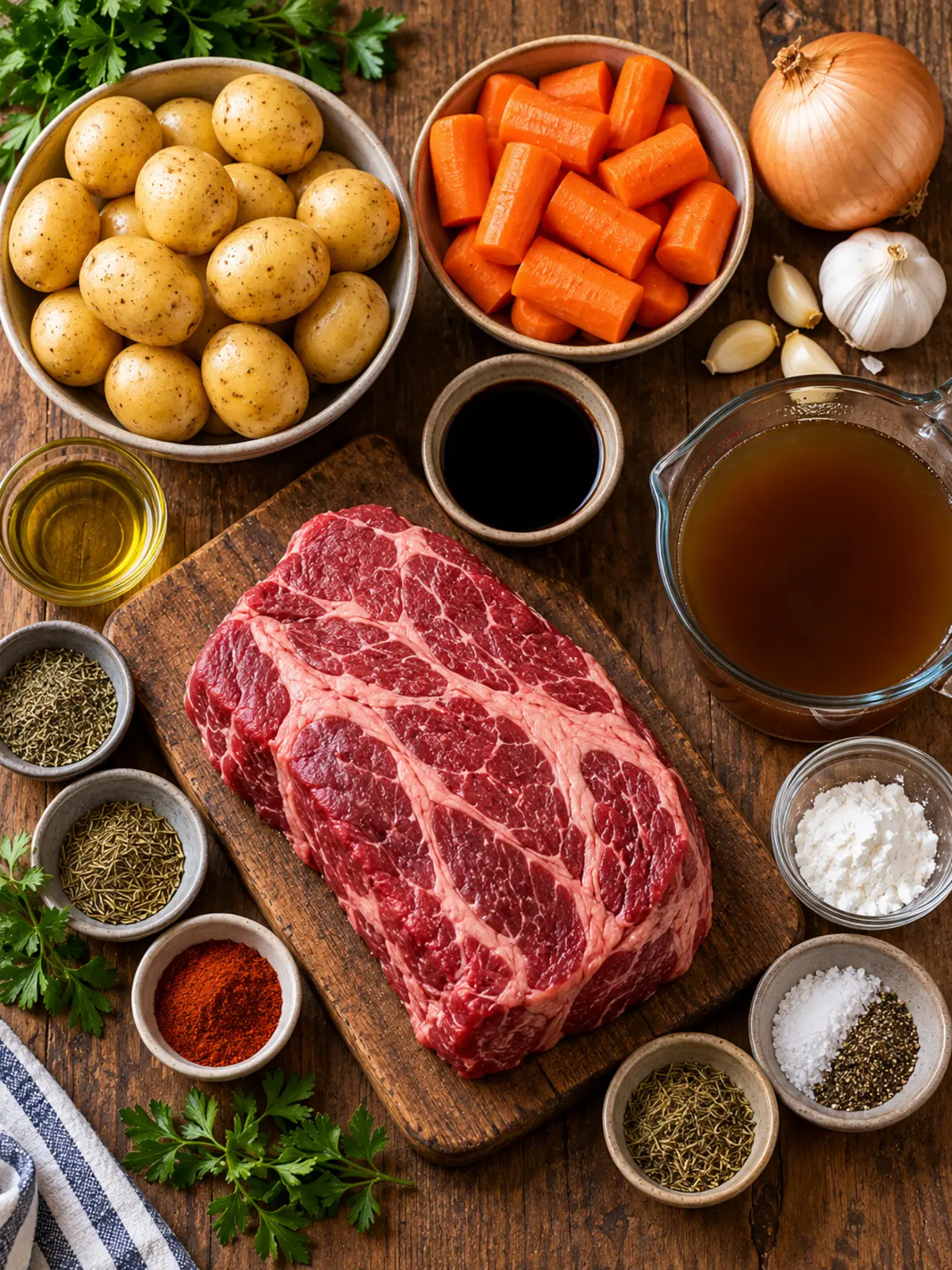
Each ingredient contributes significantly to the overall flavor profile and texture, creating a memorable meal. The complete ingredient list and exact amounts are available in the recipe card.
Beef Chuck Roast: This is the main protein component, chosen for its rich marbling that ensures juiciness and tenderness. A chuck roast shreds beautifully, making it ideal for pot roast. Avoid lean cuts as they may yield a dry texture.
Baby Potatoes: These serve as a hearty base, absorbing the braising liquid and flavors throughout cooking. Alternatively, you can use Yukon Gold potatoes, which offer creamy texture. However, avoid starchy varieties like russets as they may break down too much.
Carrots: Peeled and cut into chunks, they add natural sweetness and color. Baby carrots can be used as a substitute, but cut them into similar sizes for even cooking.
Yellow Onion: Sliced to enhance flavor, onions contribute natural sweetness as they cook down. Red onions can be a substitute, offering a more robust flavor, while scallions should be used cautiously as they may alter the taste.
Garlic: Minced garlic adds depth and aroma. Fresh garlic is recommended; dried garlic powder should be used sparingly, as it can overwhelm the dish.
Balsamic Vinegar: This provides the distinct tangy sweetness, essential for the glaze. While red wine vinegar can be a substitute, it will produce a different flavor profile, impacting the glaze’s sweetness.
Low-Sodium Beef Broth: This ingredient builds the sauce base. Consider using homemade broth if available; however, regular beef broth may make the dish saltier. Avoid bouillon cubes as they may result in uneven saltiness.
Cornstarch: This thickener is crucial for achieving the desired gravy consistency. Keep in mind that using flour will change the texture and may require additional cooking time to thicken.
Understanding the Beef Chuck Roast
The choice of beef is essential when making a pot roast. We specifically use a chuck roast for its superior fat marbling, which ensures juiciness throughout the cooking process. This cut not only looks appetizing but will shred beautifully, resulting in tender pieces that absorb the flavorful sauce effectively.
When cooked low and slow, the connective tissues break down, enriching the meat’s texture. It’s critical that the roast is not undercooked; it must be fork-tender for optimal results. Attempting to substitute this cut with leaner options like sirloin or flank can lead to dryness and lack of flavor.
Essential Vegetables for Flavor and Texture
The success of this balsamic glazed pot roast heavily relies on layering in hearty vegetables such as baby potatoes, carrots, and onions. These vegetables not only enhance the flavor profile but also contribute varying textures.
Baby potatoes provide a firm foundation in the dish, maintaining their structural integrity while soaking up the braising liquid. Carrots add a natural sweetness and vibrant color, while onions contribute a savory depth. The garlic’s aromatic presence adds complexity to the overall flavor, making these vegetables indispensable.
When selecting vegetables, ensure they are fresh; wilted or excessively soft produce may compromise the quality of the dish. While variations can be made, such as incorporating parsnips or celery, consider the impact on flavor and texture balance.
Creating the Perfect Balsamic Glaze
The balsamic vinegar paired with low-sodium beef broth forms the heart of the sauce, delivering a delightful sweet and savory combination that enhances the pot roast and vegetables alike. This glaze is thoroughly blended with the other ingredients, like Worcestershire sauce and brown sugar, to achieve a balanced flavor profile.
The addition of cornstarch serves as a crucial step in achieving the desired thickness. It ensures the gravy adheres to the meat and vegetables, enhancing each bite. If cooked correctly, the sauce reaches a glossy consistency, making it visually appealing and palate-pleasing. Failing to thicken properly may detract from the overall experience, emphasizing the importance of this step.
For those wanting a richer flavor, adding an extra tablespoon of brown sugar can provide a sweeter glaze. However, be cautious of over-sweetening, which can mask the savory notes of the dish.
How to Make Balsamic Glazed Pot Roast
Start by patting the beef chuck roast dry and seasoning it well with salt and pepper. This initial step ensures better browning and flavor development during cooking. Sear the roast in a hot skillet for about 3–4 minutes per side until a deep golden-brown crust forms. This step is vital for flavor, as it develops richness through the Maillard reaction.
Next, layer your chopped vegetables—baby potatoes, carrots, and sliced onions—in the slow cooker. This creates a stable base and allows for even cooking. Place the seared roast on top, ensuring it resides on the vegetable bed. The juices from the roast will flow down into the vegetables, enriching their flavor.
In a bowl, mix balsamic vinegar, beef broth, Worcestershire sauce, tomato paste, and brown sugar to create a cohesive sauce. Once mixed, pour this mixture over the roast, ensuring even distribution to enhance flavor absorption during cooking.
It’s crucial to cover the slow cooker and cook on low for 8–9 hours or high for 5–6 hours, until the beef is fork-tender. During this time, the flavors meld and intensify. Avoid opening the lid too often, as this will prolong cooking time.
Once cooked, carefully remove the roast and vegetables and transfer the cooking liquid for thickening. In a separate pot, mix cornstarch with cold water and cook it over medium heat until the gravy thickens to a glossy consistency, roughly 3–5 minutes.
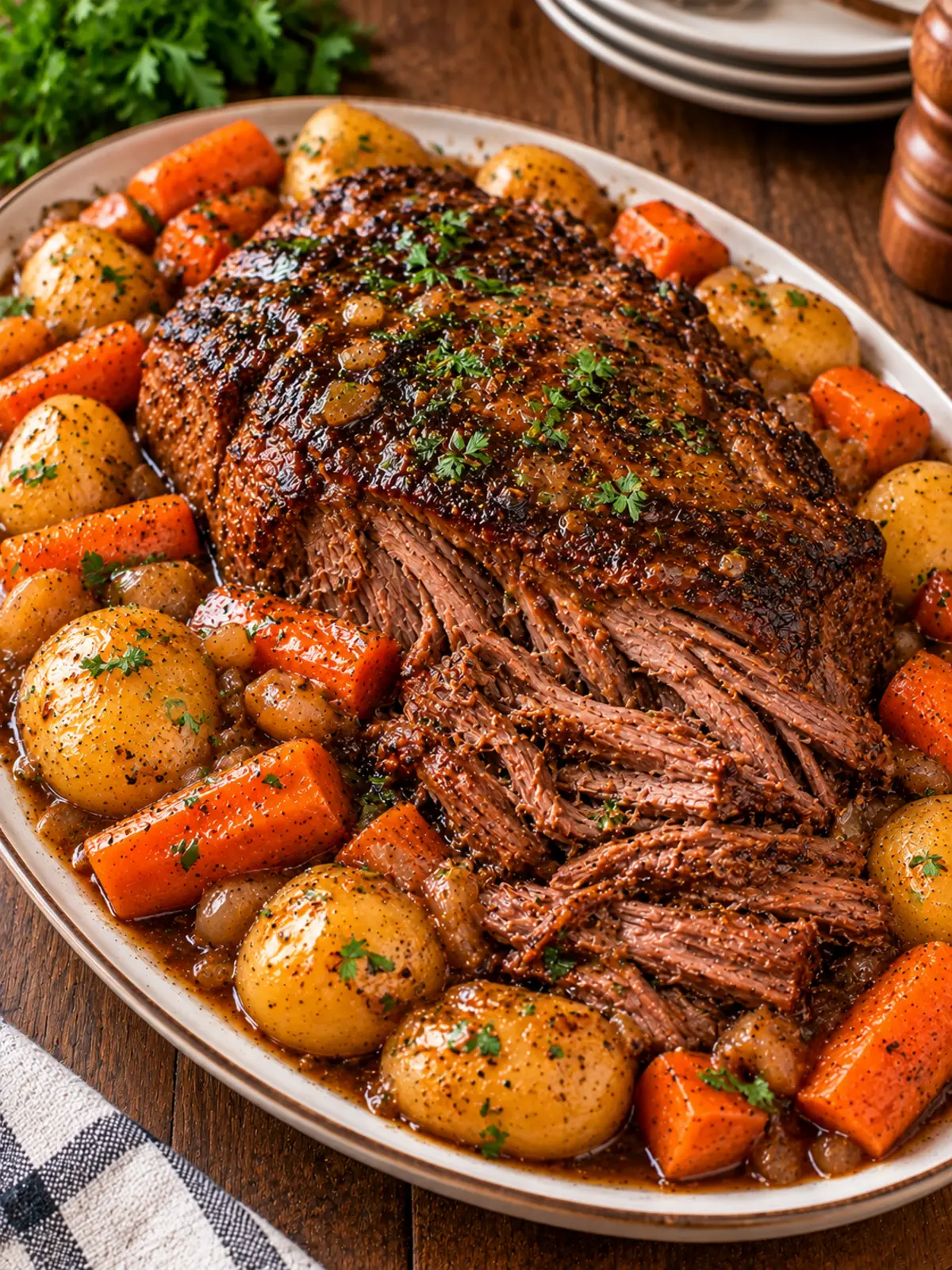
Finally, return the roast and vegetables to the slow cooker, coating them generously with the thickened gravy before serving. Garnish with fresh parsley and enjoy a comforting, savory meal that showcases the deep flavors of the balsamic glaze.
Troubleshooting Balsamic Glazed Pot Roast
Address common issues you might encounter while preparing this recipe and how to fix them to achieve the perfect pot roast.
What if my roast doesn’t brown properly?
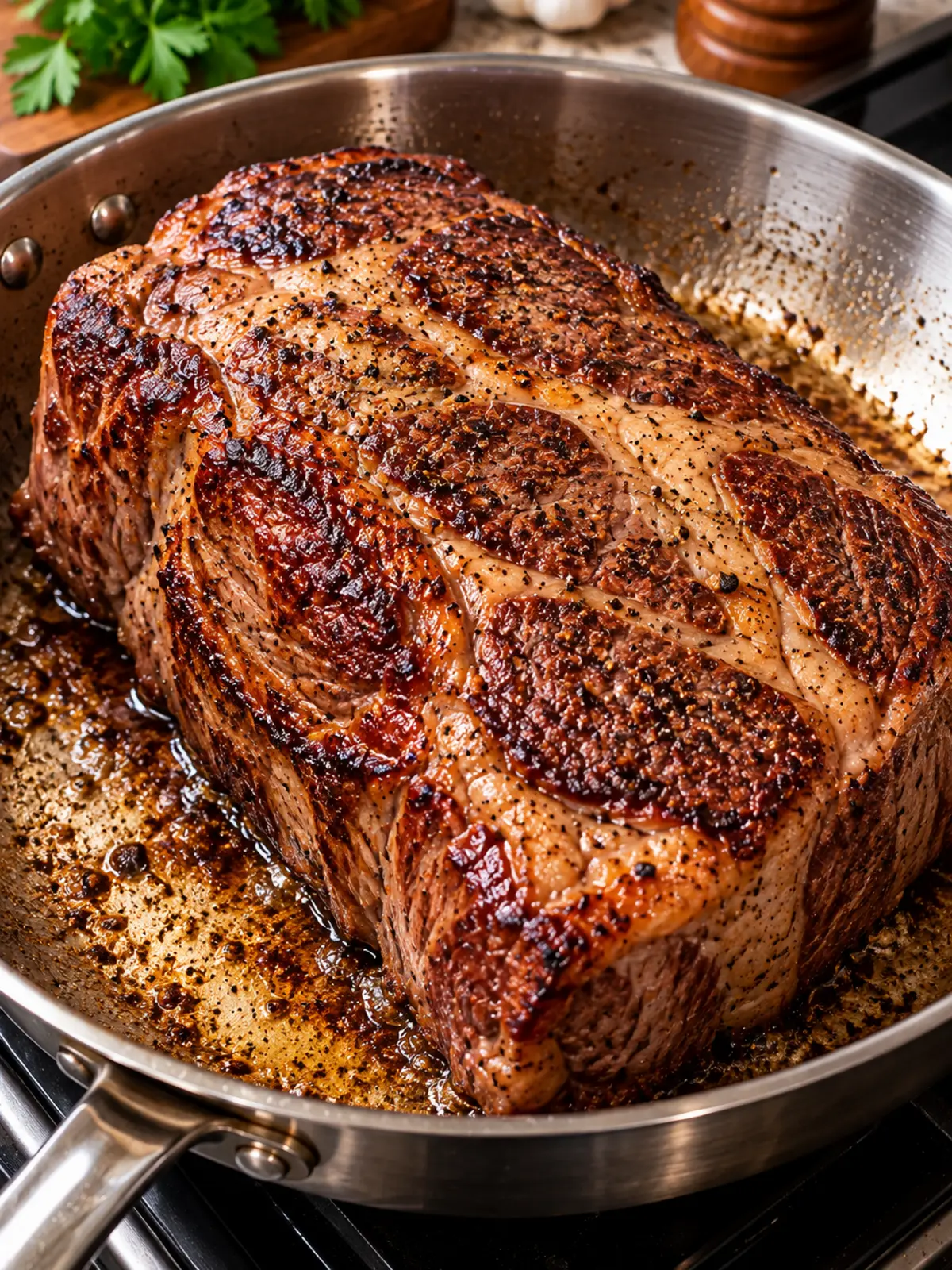
This issue is often caused by insufficient drying and seasoning of the roast before searing. Ensure the roast is thoroughly dried with paper towels and seasoned adequately with salt and pepper. This helps to form a deep golden-brown crust during searing, enhancing flavor.
How do I fix thin gravy?
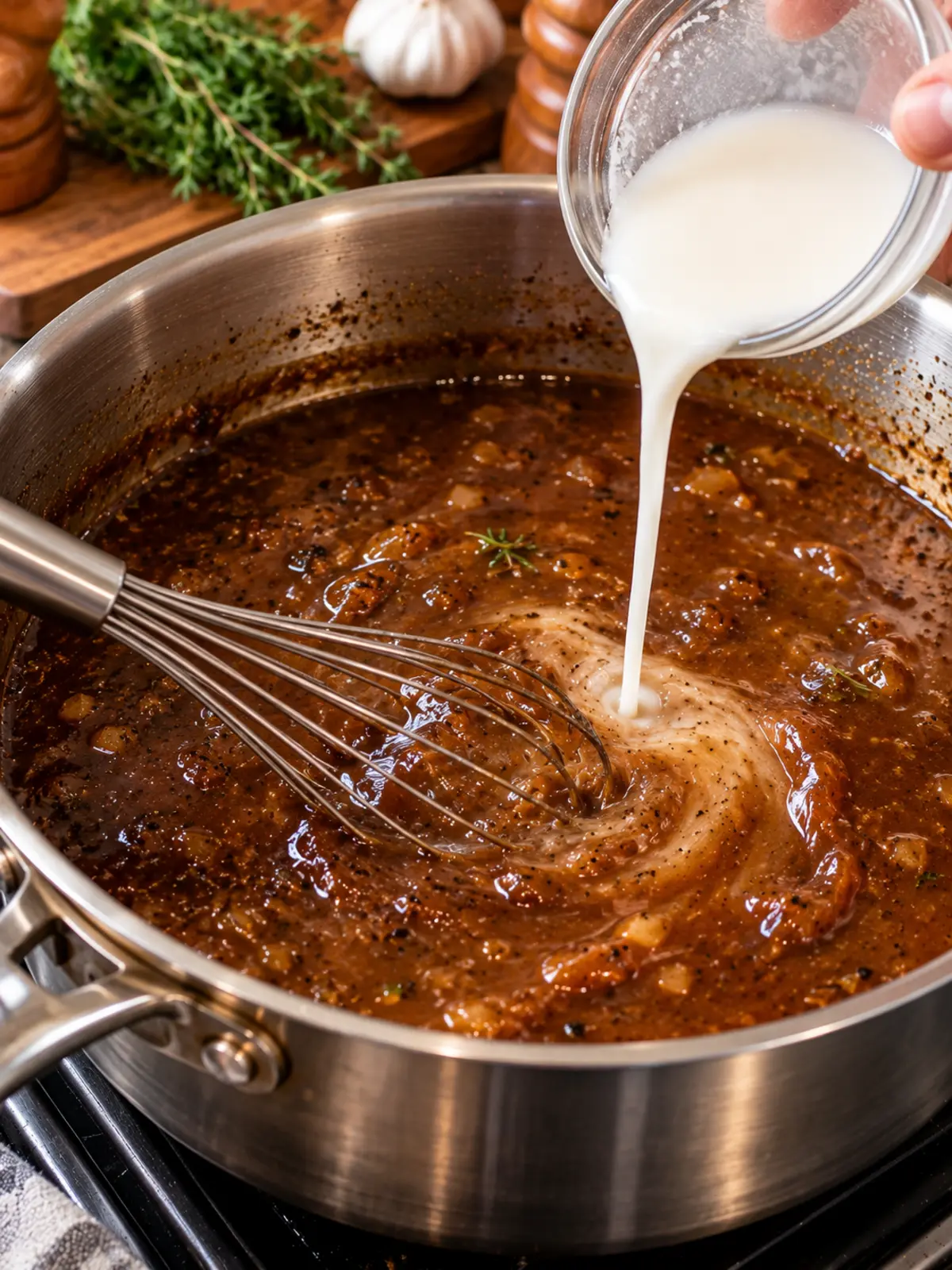
If the gravy is too thin, it may indicate that there wasn’t enough thickening agent used or that it didn’t cook long enough. To remedy this, create a slurry with cornstarch and cold water. Return this mixture to the heat and cook until the gravy thickens to a glossy consistency, typically 3–5 minutes.
Recipe FAQs
Answering your most pressing questions about adjusting ingredients, cooking times, and more when making this pot roast.
Can I use a different cut of beef?
While other cuts can be used, they may not yield the same tenderness or flavor as a chuck roast. Cuts like brisket or round will work, but they may require adjustments in cooking time and may not shred as easily.
How do I adjust cooking times for larger cuts?
For larger cuts of meat, you will need to increase the cooking time. A general guideline is to allow an additional hour of cooking for each extra pound. Make sure to check for fork-tenderness before serving.
Can I make Balsamic Glazed Pot Roast from Slow Cooker ahead of time?
Yes, you can prepare the roast in advance. It’s best to store the cooked meat and sauce separately in airtight containers. This allows for easier reheating and helps maintain the quality of both components.
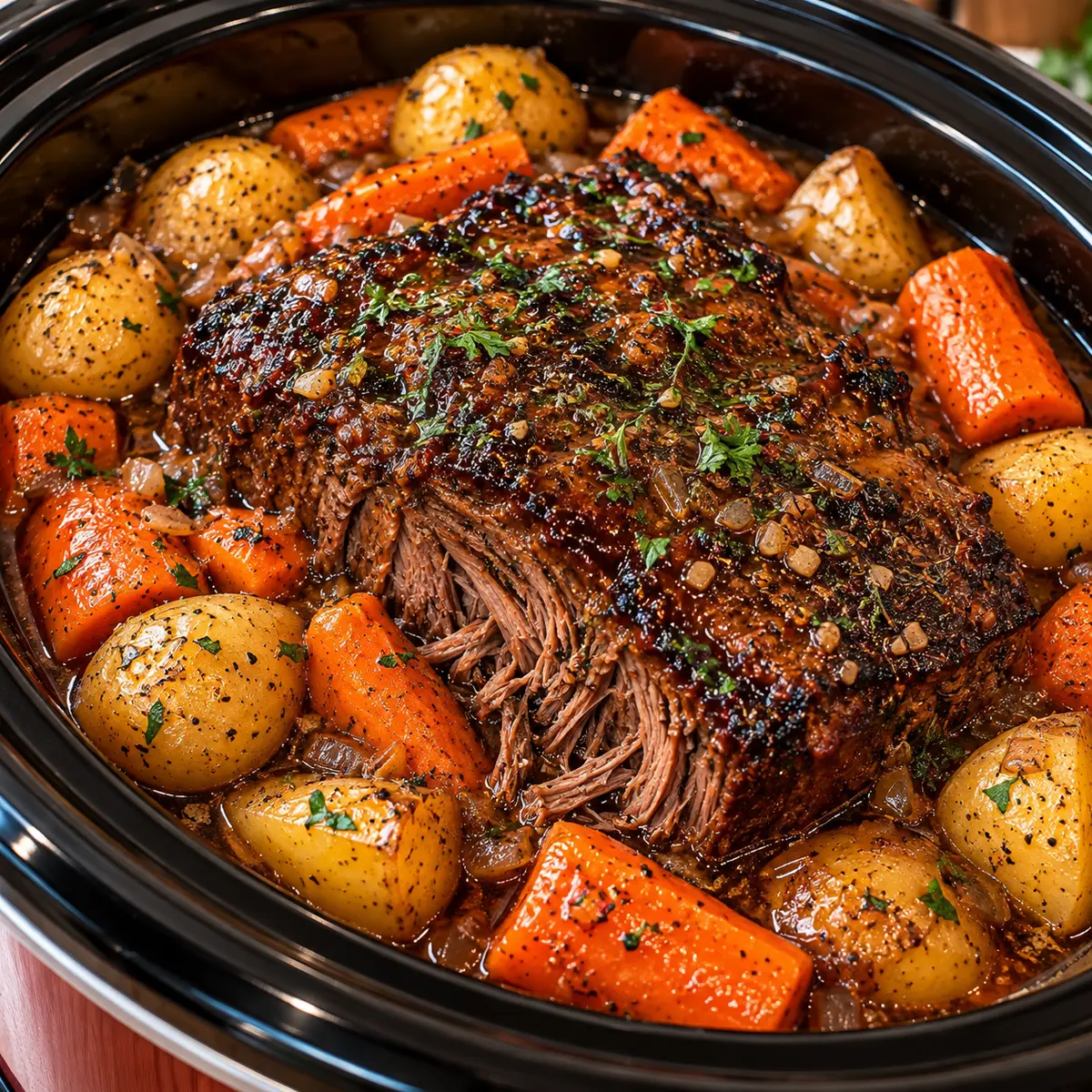
Balsamic Glazed Pot Roast from Slow Cooker
Ingredients
Equipment
Method
- Pat the beef chuck roast dry and season with salt and pepper to ensure better browning and flavor.
- Sear the roast in a hot skillet for about 3–4 minutes per side until a deep golden-brown crust forms.
- Place baby potatoes, carrots, and sliced onions in the slow cooker, layering them evenly at the base.
- Arrange the seared roast over the layered vegetables, allowing juices to flow down into the vegetables.
- In a bowl, mix balsamic vinegar, beef broth, Worcestershire sauce, tomato paste, and brown sugar together until well blended.
- Pour the balsamic mixture evenly over the roast and vegetables.
- Cover and cook on low for 8–9 hours or high for 5–6 hours until the beef is fork-tender.
- Remove the roast and vegetables, transferring the cooking liquid to a separate pot.
- Mix cornstarch with cold water in a pot and cook over medium heat until the gravy thickens to a glossy consistency, around 3–5 minutes.
- Return the roast and vegetables to the slow cooker, coating them generously with the thickened gravy.
- Garnish with fresh parsley and serve warm.
Leave a Reply